How to choose a super-automatic espresso machine
One button, beans in, latte out — a super-automatic espresso machine grinds, doses, tamps and brews for you, and often steams the milk too. That convenience is the whole appeal, and the whole trade-off. Here's what separates a good one from a frustrating one, whether the category suits you, and what your money buys — with live US prices for the machines that clear our review bar.
By Rael Cline
Live prices for the a super-automatic espresso machine this guide covers, checked today:
Cheapest price for a super-automatic espresso machine shipping to the US right now: $333.33, as of Oct 11, 2026, 04:18 AM — from extracted.coffee’s live scan of 19 sellers (49 listings).
Prices range $333.33–$35995.00 · median $877.59 · before sales tax, excl. shipping
We may earn a commission if you buy through links on this page — it never affects prices or rankings. How we track prices →
What a super-automatic actually does
It's the most hands-off espresso there is: load whole beans and water, press one button, and an integrated burr grinder, doser and brew unit pull a shot into the cup — most also froth or steam milk on their own. Nothing to weigh, tamp or time. That's the appeal, and it's real: shot-to-shot consistency with near-zero skill or ritual.
The trade is control and ceiling. You can't easily adjust dose, tamp or shot time the way you can on a semi-automatic, so the very best café-grade espresso — and latte art from a proper steam wand — usually lives on manual machines. A super-automatic is convenience-first, craft-second, by design.
If convenience is the point, stop fighting it.
Is a super-automatic worth it?
Worth it if you value consistency and speed over tinkering: milk drinks on demand for a busy household or office, or anyone who wants good coffee without a hobby. The built-in grinder also saves buying a separate one, which closes much of the price gap versus a semi-automatic-plus-grinder setup.
Skip it if you want to learn espresso as a craft — pull ristrettos, dial in single origins, texture bar-quality microfoam. A semi-automatic with a steam wand and a good grinder does more for the money at the enthusiast end, at the cost of a learning curve.
The picks that clear our review bar
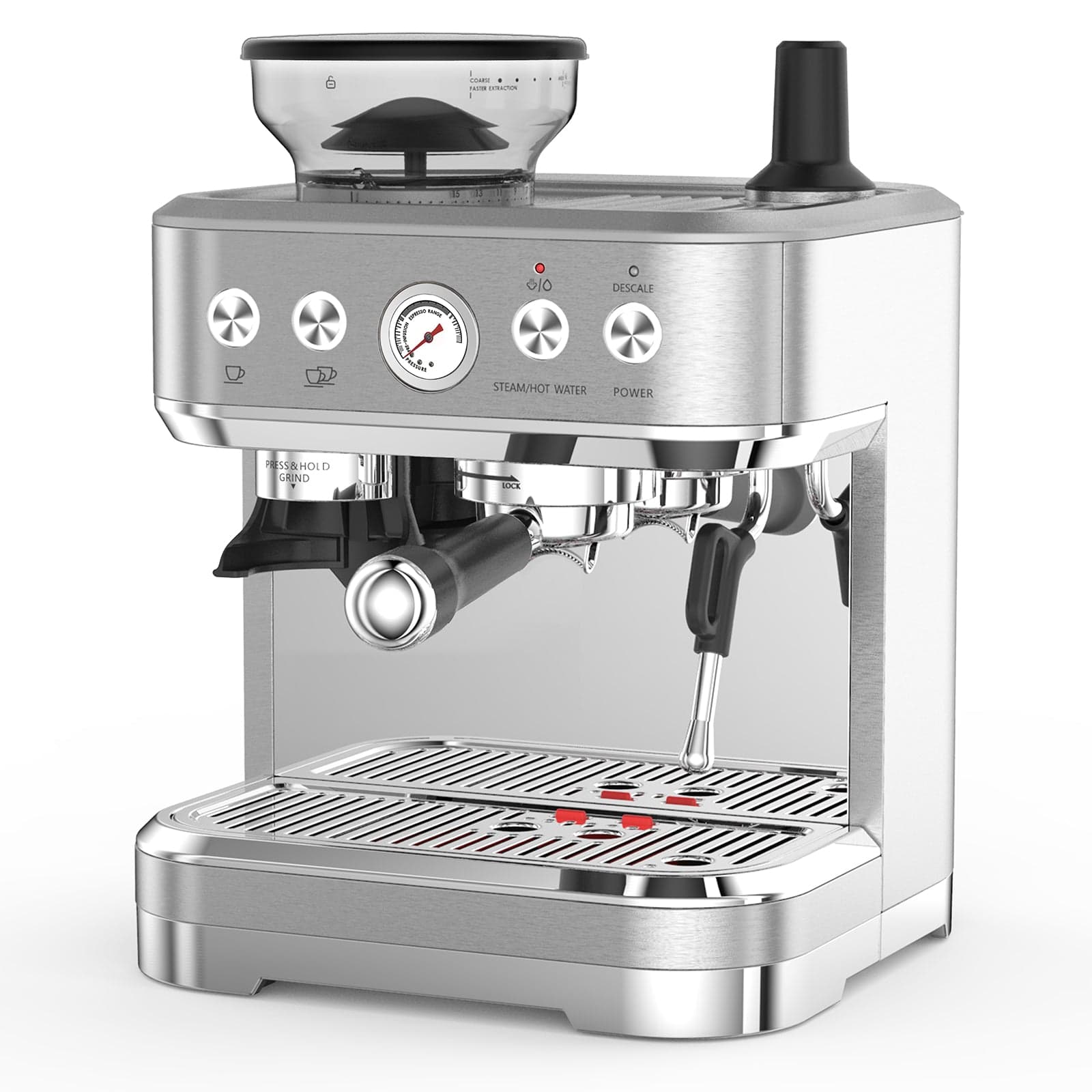
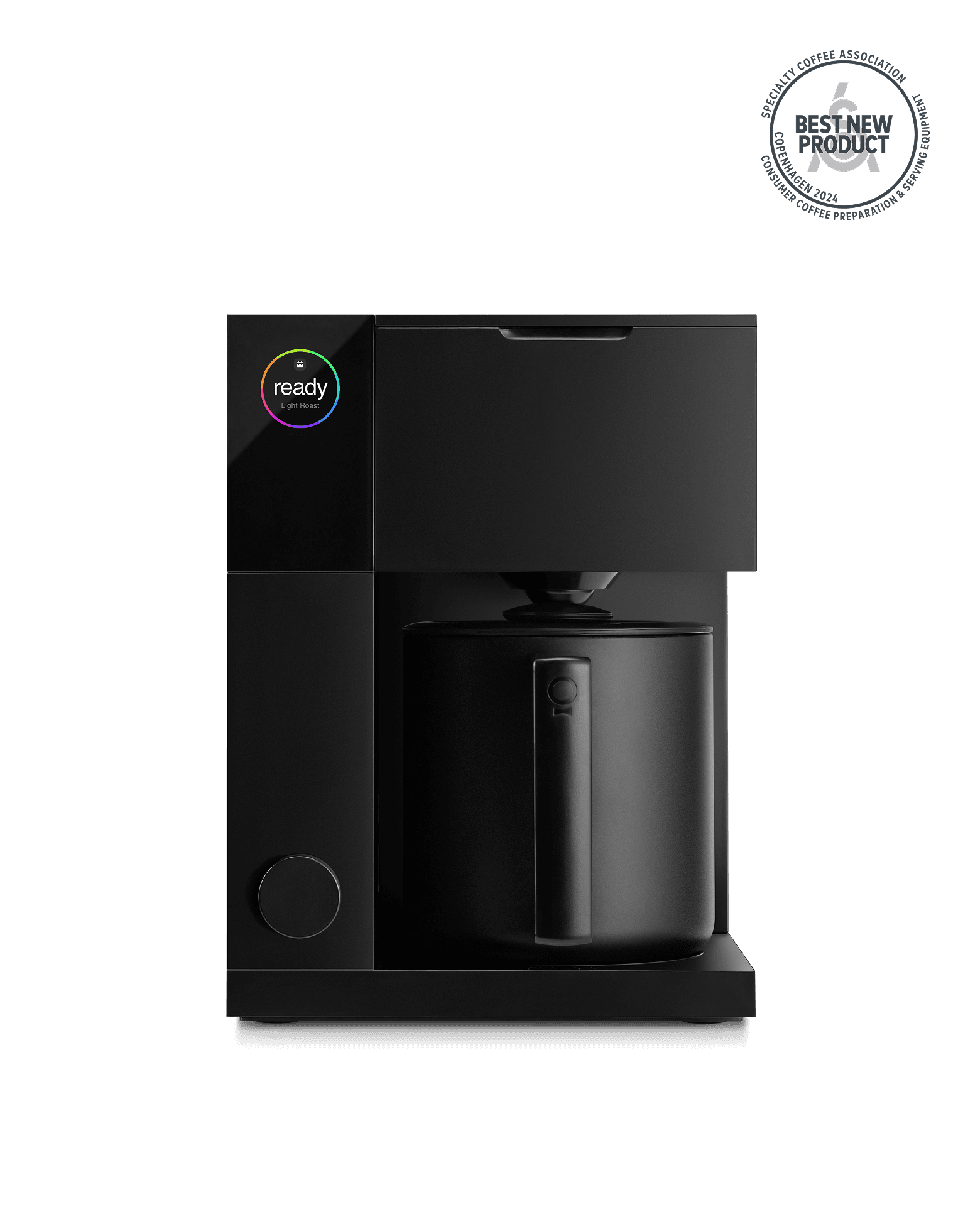
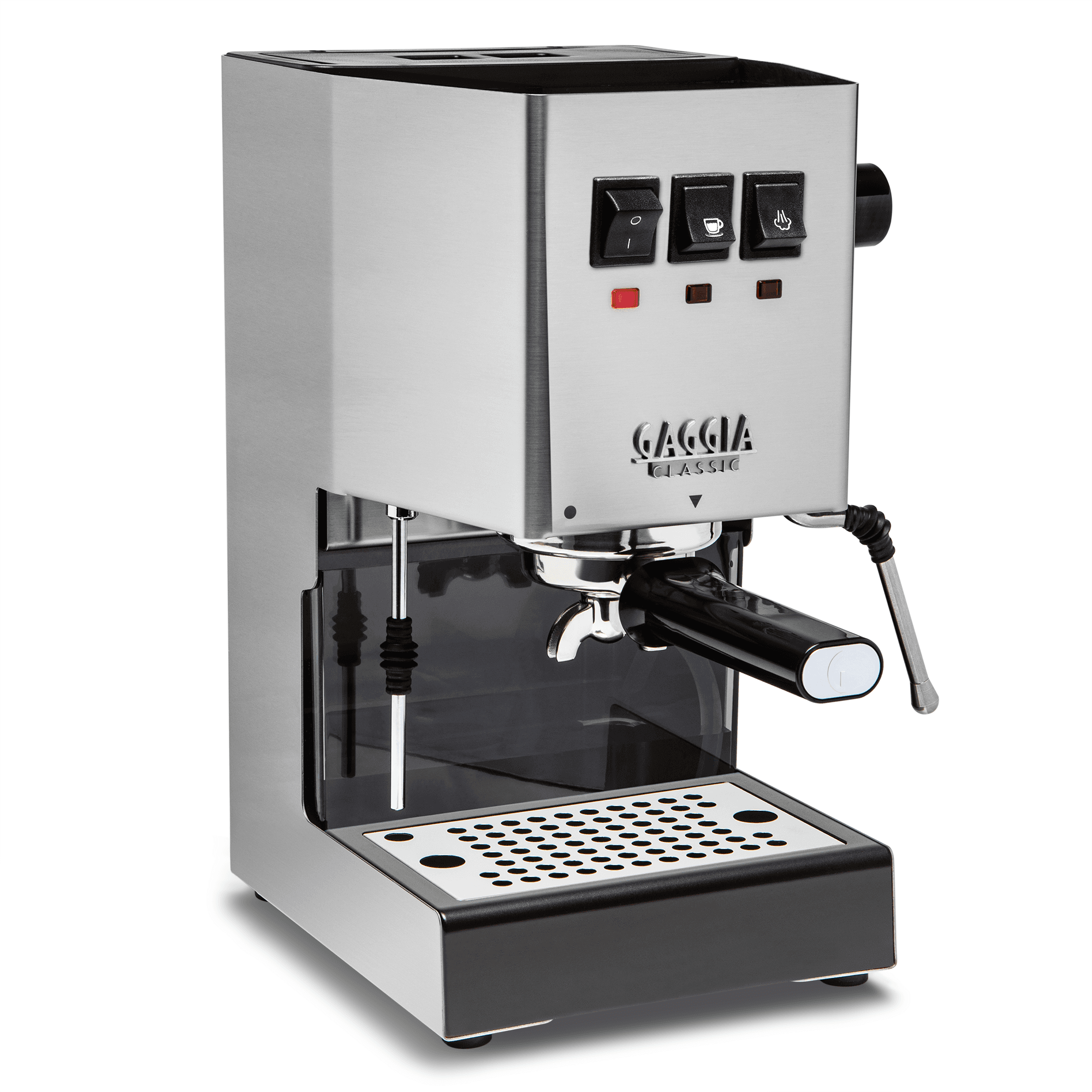
We may earn a commission if you buy through links on this page — it never affects prices or rankings. How we track prices →
What to look for
Grinder and dosing: an adjustable burr grinder is the heart of the machine — more grind steps and easier adjustment is better. A bypass doser (a chute for pre-ground) lets you run decaf or a second coffee without emptying the hopper.
Milk system: three tiers — a manual steam wand (best texture, some skill), an automatic frother/wand (one-touch, decent), or a carafe/auto-cappuccino system (most hands-off, but easiest to clean poorly). Choose by how much you value texture versus zero effort.
Maintenance and build: a removable brew group you can rinse under the tap is far easier to live with — and lasts longer — than a sealed one. Check the descale routine, the water-tank size, and whether parts are user-serviceable; these decide how the machine ages.
Where they fall short
Milk texture from an automatic frother rarely matches a manual steam wand, so latte art is limited. Lower-priced models lean on plastic and can feel less durable, and sealed brew units are hard or impossible to repair. And because so much is automated, there's less you can do to rescue a bad shot beyond adjusting grind and dose within the machine's limits.
None of this makes them a bad buy — it makes them a convenience appliance rather than a craft tool. Match the machine to which of those you actually want.
How much to spend
Entry super-automatics make a solid daily flat white; the mid tier buys better grinders, milk systems and build quality; the premium tier adds touchscreens, dual hoppers and quieter, sturdier mechanisms. Below the entry tier you're usually looking at a pod machine or a very plasticky unit — this guide's live list only ranks machines with a real review track record. Factor the running cost in too: freshly ground beans from a hopper are cheaper per cup than capsules.
Everything above is our editorial judgement; every price on this site is live, timestamped and ranked without commission input. How we rank →
Quick answers
- Are super-automatic espresso machines worth it?
- For convenience and consistency, yes — one-button milk drinks with no skill or cleanup ritual, and a built-in grinder that saves a separate purchase. For café-grade espresso and latte art, a semi-automatic with a steam wand and a good grinder gets you further for the money.
- How much should I spend on a super-automatic?
- A capable daily machine starts around $500–$700; $800–$1,200 buys noticeably better grinders and milk systems. Past ~$1,500 you're mostly paying for convenience features and build quality, not better espresso.
- What are the downsides of a super-automatic?
- Less control than a manual machine, milk texture that rarely matches a proper steam wand, more plastic at lower prices, and sealed brew units that are harder to repair. They're convenience appliances, not craft tools.
- Super-automatic or semi-automatic — which should I get?
- Super-automatic if you want good coffee with zero technique and daily milk drinks on demand. Semi-automatic if you enjoy the process, want to dial in shots, and don't mind a separate grinder — it rewards the effort with a higher ceiling.
- Do I still need a separate grinder?
- No — that's the point of the category. The grinder is built in, which is a chunk of the value versus a semi-automatic that needs a $150+ grinder alongside it.
Skip the spreadsheet
Every category page applies this guide's judgement to live US-shipping stock — review-weighted ranking, prices in US dollars, checked today.