How to choose your first espresso setup
Most first-espresso advice starts with machines. It should start with a budget split — because the least glamorous purchase in the box is the one that decides how your coffee tastes.
By Rael Cline
Live prices for the an espresso machine this guide covers, checked today:
Cheapest price for an espresso machine shipping to the US right now: $134.99, as of Oct 12, 2026, 05:14 AM — from extracted.coffee’s live scan of 17 sellers (50 listings).
Prices range $134.99–$6600.00 · median $639.00 · before sales tax, excl. shipping
We may earn a commission if you buy through links on this page — it never affects prices or rankings. How we track prices →
Split the budget before you shop
Espresso is a system: machine, grinder, beans. The classic mistake is spending everything on the machine and grabbing any grinder — when grind consistency shapes the shot more than the machine at starter prices. As a rule of thumb we build into our setup builder: roughly 60–70% machine, the rest on the grinder, with $25–40 held back for scales and fresh beans.
A $450 machine with a $200 grinder beats a $600 machine with a $25 blade grinder — every time, in every kitchen.
Spend on the grinder, not the badge.
Pick the machine type by how you live, not by spec sheets
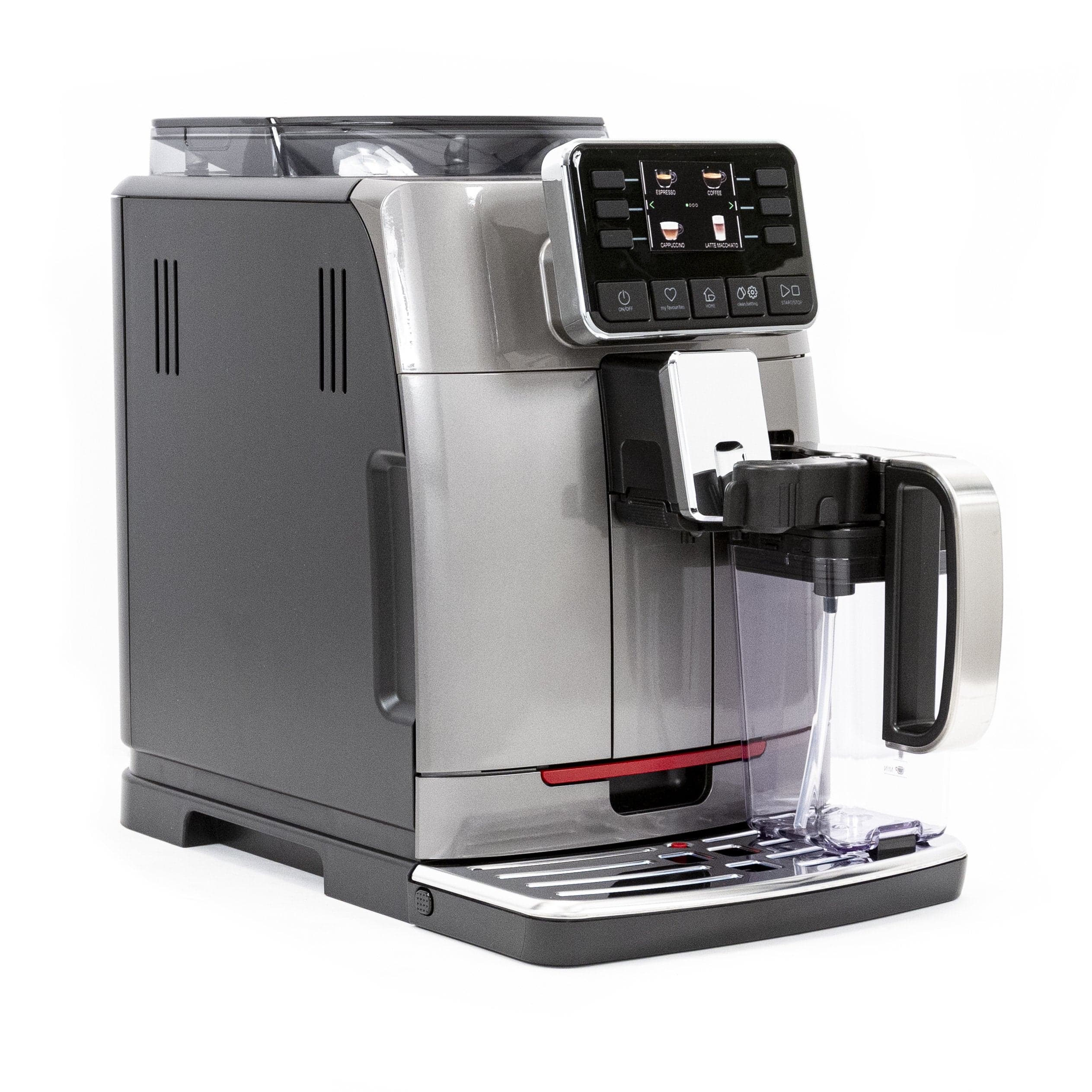
Bean-to-cup: one button, built-in grinder, zero learning curve — the right answer if coffee is a drink, not a hobby. Semi-automatic: you grind, dose and steam — the right answer if the craft is the appeal. Manual lever: beautiful, demanding, not a first machine for most people.
Small kitchen? Check width, depth AND height under wall cabinets before you fall for anything — compact semi-autos plus a hand grinder often make the tightest real-espresso footprint.
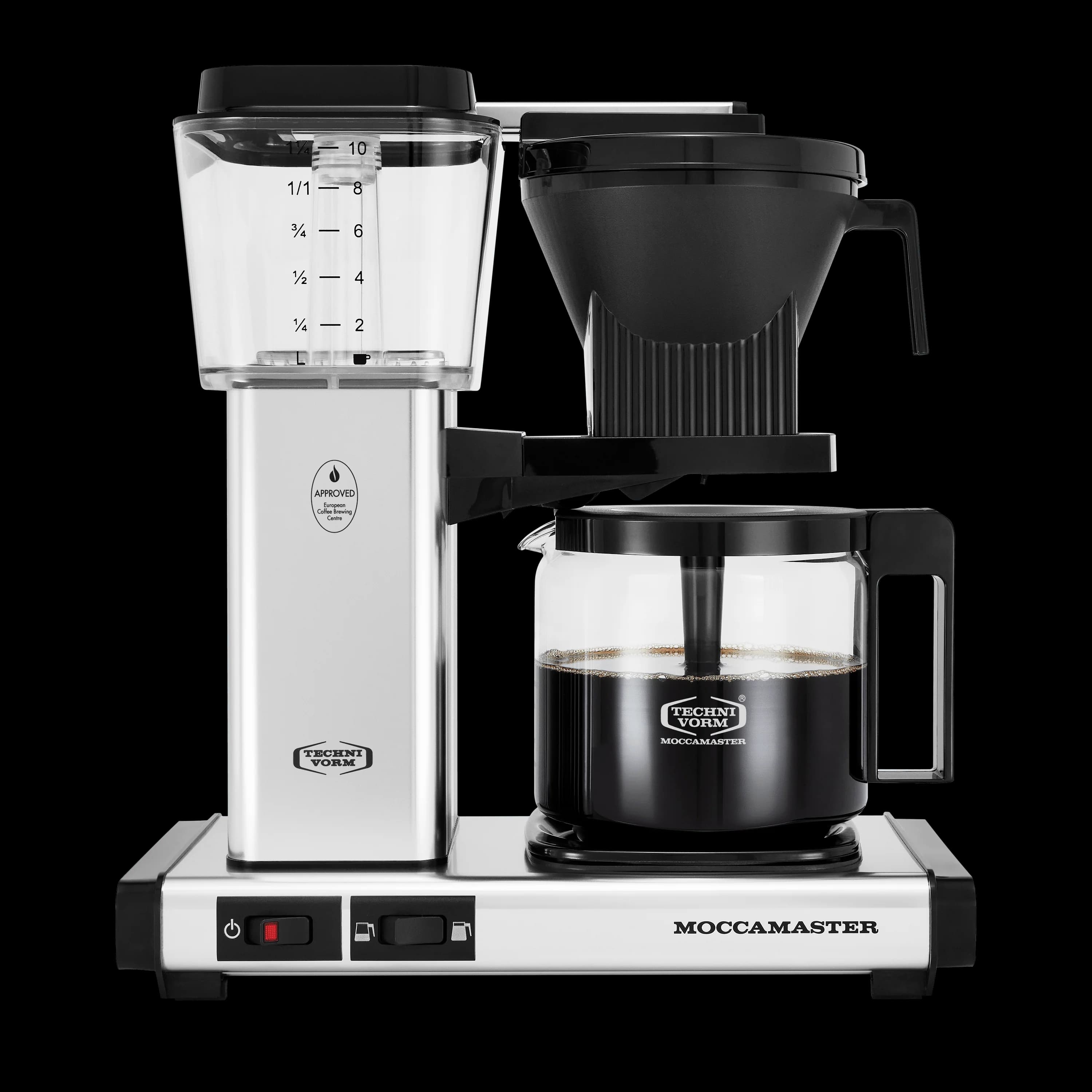
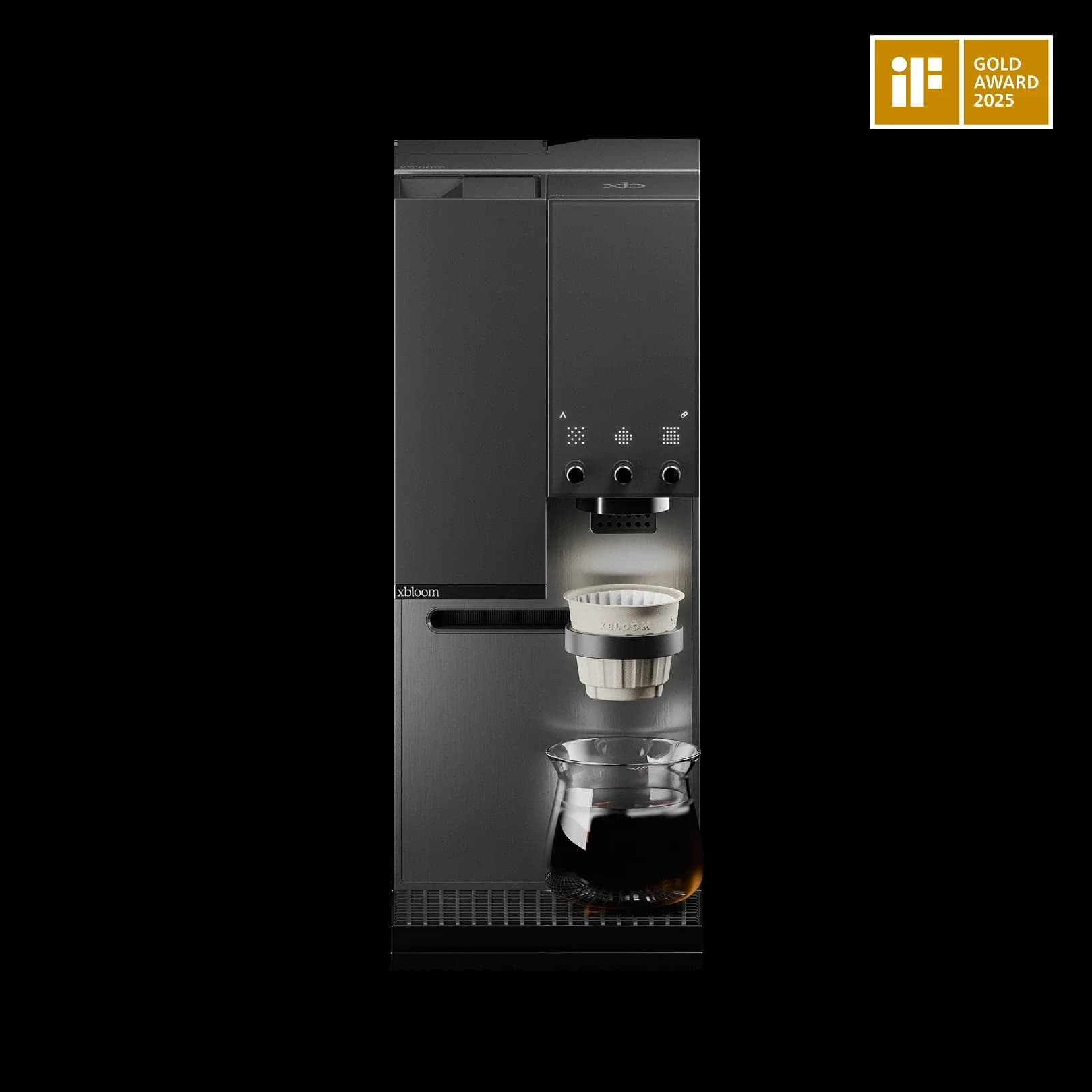
The picks that clear our review bar
We may earn a commission if you buy through links on this page — it never affects prices or rankings. How we track prices →
The grinder is not optional
Pre-ground coffee stales in days and no supermarket grind matches your machine's basket. Burr grinder, always — blade grinders chop unevenly and can't hold an espresso-fine setting. A good hand grinder outperforms electric grinders at the same price if you don't mind a minute of cranking per shot.
What to ignore
Bar-pressure marketing, mostly: espresso extracts at roughly 9 bars, and nearly every machine on sale can exceed that — a '20-bar' badge tells you about the pump's ceiling, not the coffee. Ignore crema-boosting pressurised baskets as a long-term plan too; they mask grind problems rather than fixing them.
And ignore any list that won't tell you how it's ranked. Ours is stated on every page: buyer ratings weighted by review count, commission never — that rule is enforced in code, not just promised.
Beans decide the ceiling
Fresh matters more than fancy: look for a roast date, not a best-before, and buy whole bean. Specialty bags mostly run $6–$30; our running-cost line assumes $26/kg — about 47¢ per double shot, some way under a $5 latte.
Everything above is our editorial judgement; every price on this site is live, timestamped and ranked without commission input. How we rank →
Quick answers
- What's the minimum realistic budget for real espresso?
- Around $300–$400 all-in gets a capable starter machine plus a good hand grinder. Below that, a moka pot or AeroPress plus a decent grinder makes better coffee than a bargain espresso machine.
- Should I buy the machine or the grinder first?
- Grinder — it improves every brew method you already own, and it's the half of an espresso setup people regret skimping on.
- Are second-hand machines worth it?
- Often, for tinker-friendly models with cheap spares — a well-kept classic single-boiler can be excellent value. Check for descale history and steam-wand function, and price in a gasket refresh.
Skip the spreadsheet
Every category page applies this guide's judgement to live US-shipping stock — review-weighted ranking, prices in US dollars, checked today.